
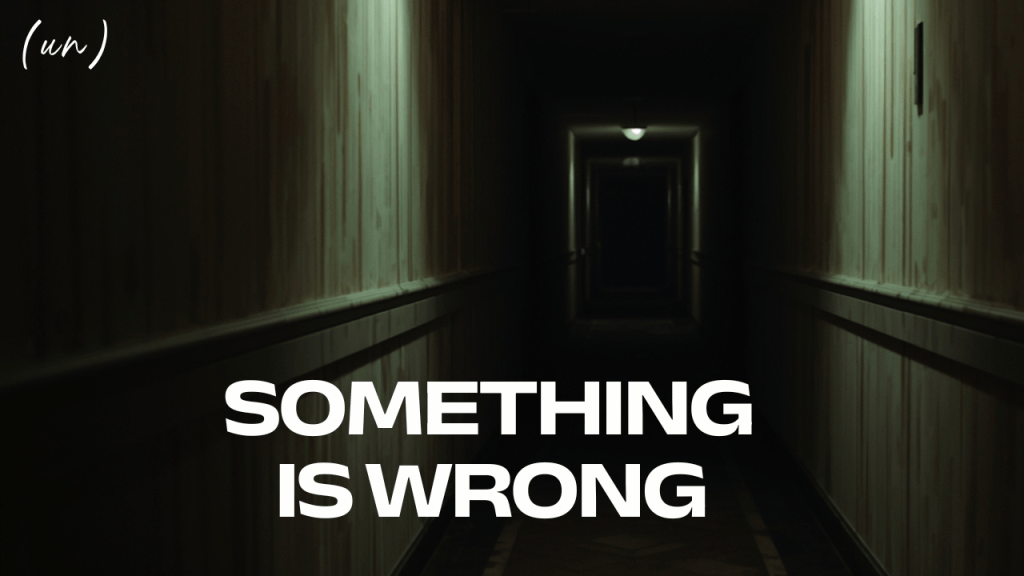
Have you ever felt anxious before?
That quiet restlessness — the sense that something is about to happen, even when everything around you looks perfectly normal.
Anxiety has a strange way of arriving uninvited. Thoughts speed up. The chest tightens. The body reacts before the mind understands why.
Let’s slow everything down for a moment.
Because anxiety is not a personal failure. It’s not weakness. It’s biology.
Anxiety Is a Survival System
Anxiety is an ancient protective mechanism, built to keep you alive.
Deep inside your brain sits a small structure called the amygdala. Think of it as your internal alarm system. Its job is simple: scan for danger.
It works fast — far faster than conscious thought.
When the amygdala senses a potential threat, it sends a clear message to your body:
Prepare.
Your heart rate increases. Your breathing becomes shallow. Your muscles tighten. Your thoughts begin racing, trying to predict what might happen next.
This is the fight-or-flight response — your nervous system’s emergency mode.
Why Anxiety Appears Even When Nothing Is Wrong
Here’s the crucial detail most people never hear:
The amygdala does not know the difference between a real threat and an imagined one.
It reacts to memories. To worries. To tone of voice. To uncertainty.
Anything your brain labels as unsafe can trigger the same response.
That’s why anxiety can show up during calm moments. Your body isn’t responding to reality. It’s responding to a story your mind believes might be true.
The Brain’s Calming System
Anxiety doesn’t act alone.
Inside you is a second system — one designed to slow, soothe, and restore balance.
This system lives in the prefrontal cortex, the part of your brain responsible for reflection, perspective, and regulation.
When it becomes active, it sends a different message:
You’re safe.
And slowly, the alarm quiets.
The heart softens. The breath deepens. Thoughts lose their sharp edges.
Calm returns — not because anxiety disappeared, but because it no longer controls the system.
Why Understanding Anxiety Changes Everything
The goal is not to eliminate anxiety.
The goal is to understand it.
The more often you activate your calming system — through awareness, breathing, and attention — the easier it becomes to shift from anxiety into clarity.
Your mind is not broken. It is not attacking you.
It is doing what it evolved to do: protect you.
A Gentle Reset
Before you move on, stay here for a moment.
Allow yourself to listen to something soft. Let the rhythm slow you down.
Bring your attention to your breath. Feel it move in and out.
Notice your body settling. Notice thoughts drifting like clouds — appearing, moving, dissolving.
This moment is yours.
Calm is not something you chase. It’s something you allow.
Take one slow breath.
And let everything else fall away.
This is UNVEIL — where understanding replaces fear, and awareness becomes the beginning of peace.
If anxiety feels like your mind constantly anticipating what might go wrong, it’s because your brain is wired to give more weight to threat than to safety.
In a related piece, we explore why painful experiences tend to echo louder than joyful ones — and how this ancient survival bias quietly shapes your thoughts, decisions, and emotional reactions.
You can read it here:
Why Pain Echoes Louder Than Joy

 Unveil Neuroscience
Leave a comment