What Instagram Reels Are Doing to Your Brain
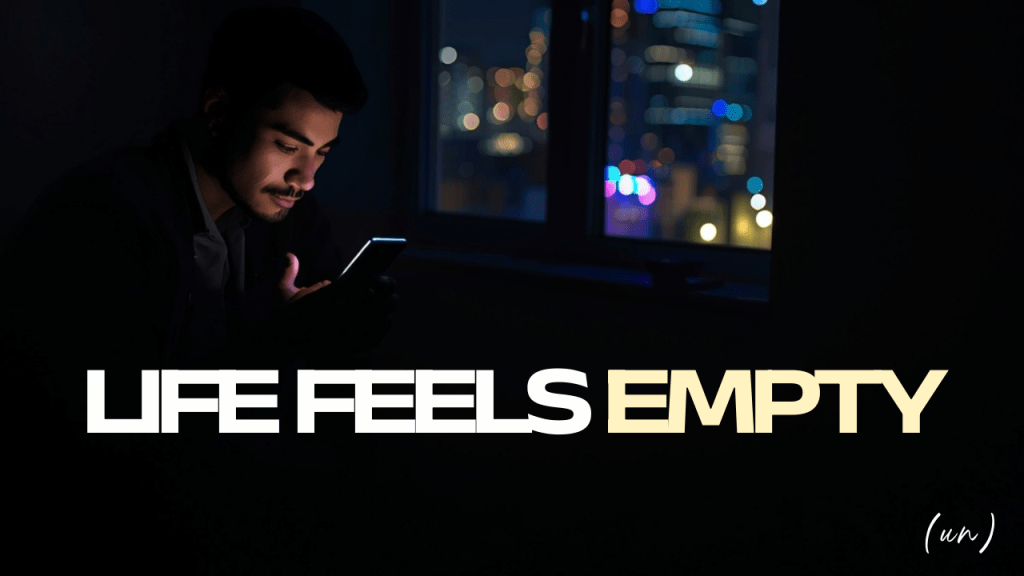
When the brain becomes accustomed to constant novelty, ordinary moments can start to feel dull.
Not because life suddenly lost meaning. Not because you became ungrateful or disconnected. But because your brain quietly recalibrated its expectations.
Short‑form platforms like Instagram Reels didn’t just change how we consume content. They changed how our nervous system relates to reality.
At first, it feels harmless. A few minutes scrolling. A burst of entertainment. A quick distraction between tasks. But under the surface, something deeper is happening.
Your brain is being trained.
The Brain Is a Prediction Machine
Your brain evolved to anticipate what comes next. It learns patterns, builds expectations, and constantly asks one silent question:
What reward is likely to come next?
Instagram Reels answer that question aggressively.
Every swipe delivers a new stimulus:
- a new face
- a new emotion
- a new joke
- a new surprise
Each one triggers a small release of dopamine — the chemical of anticipation and motivation.
The problem isn’t dopamine itself. The problem is frequency without friction.
When rewards arrive too easily, too fast, and too often, the brain adapts.
It raises the baseline.
When Novelty Becomes the Default
Over time, your nervous system starts to expect constant stimulation.
Fast cuts. Immediate payoff. Endless novelty.
And then something subtle happens.
Real life — conversations, work, silence, routine — begins to feel slow.
Not painful. Not unbearable.
Just… flat.
Moments that once felt satisfying no longer produce the same internal response. Not because they changed — but because your brain did.
This is why people often say:
- “I feel bored all the time.”
- “Nothing really excites me anymore.”
- “I can’t focus like I used to.”
It’s not laziness. It’s recalibration.
The Dopamine Mismatch
Dopamine isn’t pleasure.
It’s anticipation.
It’s what drives you toward something before you even know if it will feel good.
Short‑form content floods the brain with anticipation signals — without requiring effort, patience, or commitment.
Real life works differently.
Meaningful rewards usually require:
- time
- attention
- emotional presence
When the brain gets used to stimulation without effort, effort itself starts to feel unrewarding.
This creates a mismatch:
Digital life feels stimulating. Real life feels underwhelming.
And the brain always follows the stronger signal.
Why This Isn’t a Lack of Discipline
Many people blame themselves.
“I just need more focus.” “I should be more grateful.” “I need to stop procrastinating.”
But this isn’t a moral failure.
It’s a biological response.
Your nervous system is doing exactly what it was designed to do: optimize for the environment it’s exposed to.
When the environment becomes hyper‑stimulating, the brain adapts.
The cost is subtle, but real.
The Quiet Emotional Consequence
Over time, this adaptation can lead to:
- emotional numbness
- restlessness
- difficulty staying present
- a sense that life is happening somewhere else
Not because something is wrong with you.
But because your attention has been trained away from depth.
Depth requires slowness. And slowness no longer feels rewarding to a brain conditioned by constant novelty.
Can the Brain Rebalance?
Yes.
But not by forcing willpower.
Rebalance happens through exposure change.
Small shifts:
- longer periods without stimulation
- fewer novelty spikes
- moments of intentional boredom
At first, this feels uncomfortable.
The brain resists. It craves the familiar dopamine rhythm.
But slowly, something changes.
The baseline lowers. Silence becomes tolerable again. Focus returns. Ordinary moments regain texture.
Not because life became more exciting — but because your brain relearned how to feel it.
A Final Reflection
Instagram Reels didn’t make real life boring.
They simply trained your brain to expect constant novelty.
And when expectations rise faster than reality can deliver, reality feels dull.
This isn’t about quitting social media.
It’s about understanding the cost of constant stimulation — and deciding how much of your attention you want to give away.
Awareness is the first recalibration.
This is UNVEIL — where awareness replaces urgency, and clarity begins when stimulation slows.
If this resonated with you, you may also want to read:
 Unveil Neuroscience
Leave a comment