
Introduction
What we call a tyrant is not simply a cruel person.
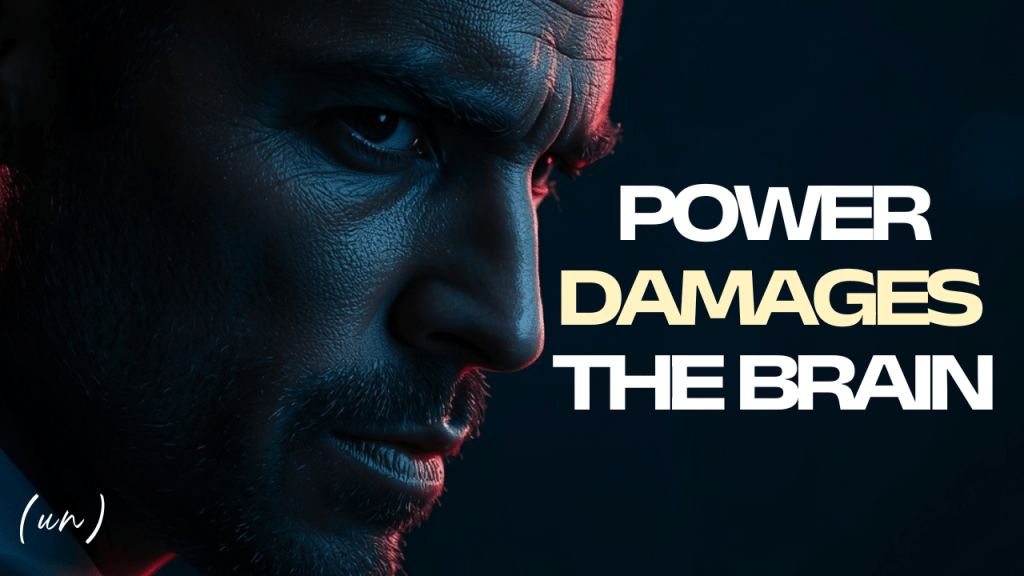
It is a brain that has been slowly rewired by unlimited control, constant obedience, and the chemical rewards of dominating other human beings.
History often treats dictators as monsters, but neuroscience tells a far more unsettling story: absolute power changes the nervous system itself. And once that happens, behavior follows.
How Power Becomes a Drug
Every time a command is obeyed, the brain releases dopamine — the same molecule involved in addiction, pleasure, and compulsive behavior.
This creates a feedback loop:
Power → obedience → dopamine → craving → more power.
Over time, the brain learns a dangerous lesson: control feels good, and losing it feels like a threat to survival.
This is why people who hold unchecked power rarely give it up peacefully. Their nervous system is chemically invested in dominance.
The Collapse of Empathy
Under normal conditions, the prefrontal cortex regulates impulses, empathy, and moral reasoning. But prolonged exposure to power suppresses this region while amplifying the brain’s threat-detection system.
Disagreement begins to feel like danger.
Criticism feels like attack.
Opposition feels existential.
The brain shifts from cooperation to survival mode.
Neuroscientists call this state power-induced brain distortion — when authority becomes so absolute that other people are no longer processed as equals, but as obstacles.
Why Tyrants Become Paranoid
Tyranny is not just about control — it is about fear.
As power increases, so does paranoia. The brain begins scanning for betrayal, constantly anticipating loss. This creates a cycle where repression feels necessary, even righteous.
From the inside, cruelty does not feel immoral.
It feels protective.
This is why history’s worst leaders often believed they were acting in self-defense.
The World Through a Tyrant’s Brain
A brain shaped by power no longer perceives reality the way normal minds do. It becomes hyper-focused on dominance, intolerant of dissent, and emotionally disconnected from human suffering.
This is not evil in the cinematic sense.
It is a nervous system that has lost its brakes.
And when such a brain controls armies, borders, or nuclear weapons, the consequences become global.
Why This Matters Today
The world feels unstable because, in many places, it is being shaped by nervous systems addicted to control.
Understanding the neuroscience of tyranny does not excuse it — but it explains why absolute power is one of the most dangerous forces a human mind can hold.
If you want to understand how the brain reacts to constant threat and pressure, you might also like our article:
 Unveil Neuroscience
Leave a comment