Category: Mind & Behavior
-
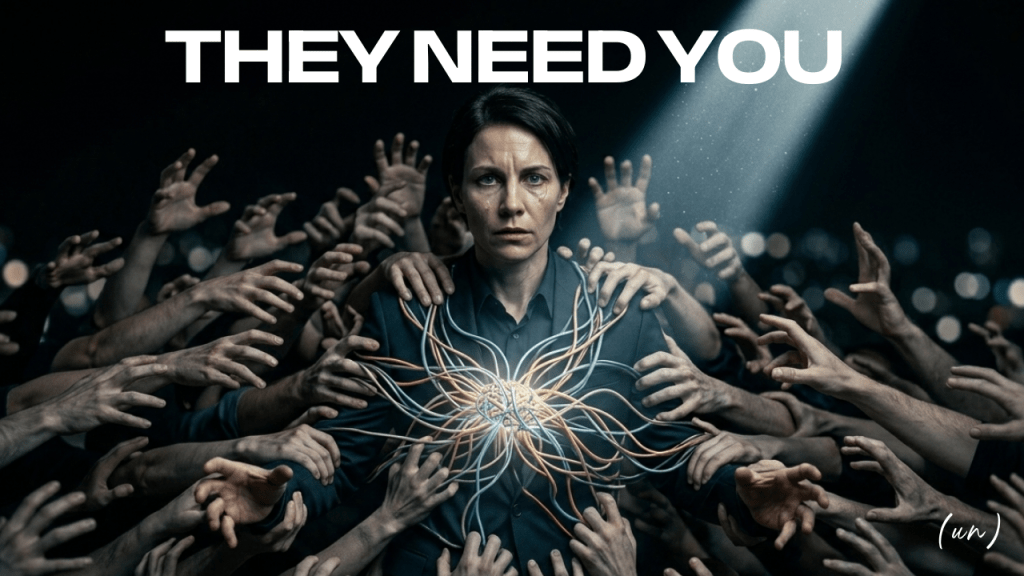
You’re Addicted to Being Needed (And It’s Quietly Controlling Your Life)
There’s a difference between being needed…and needing to be needed. Most people never notice when that line gets crossed. At first, it looks like strength. You’re reliable.You show up.People trust you. You’re the one others call when things fall apart. And for a while, that feels good. Not just good — necessary. Because being needed…
-

Why Success Feels Empty After You Achieve It
You worked for this life. The stability.The progress.The feeling that things are finally under control. You did what responsible people are supposed to do. You worked hard. You stayed disciplined. You built something real. And yet, every once in a while, something strange happens. Nothing is wrong. Your life works. From the outside, everything looks…
-
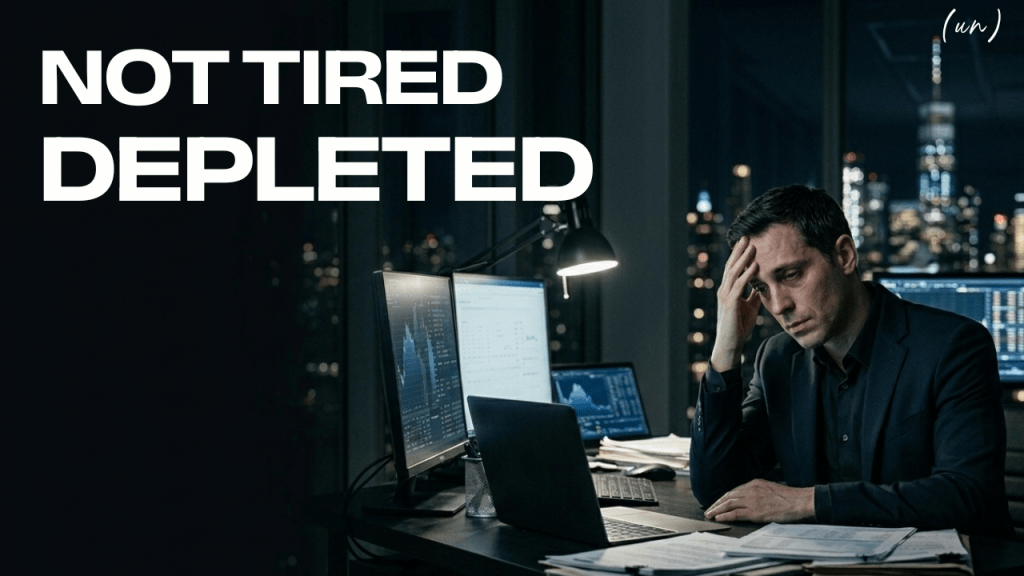
Why Your Nervous System Struggles in Today’s World
Modern Life Is Not Neutral We like to believe that our environment is neutral. That the world around us is simply “there.” But modern life is not neutral. It is engineered. Engineered around novelty.Engineered around uncertainty.Engineered around sustained stimulation. And your nervous system is adapting to it — whether you notice it or not. The…
-

Your Brain Was Not Built for This World
There is nothing wrong with you. If you feel constantly tense.If you feel overstimulated.If your nervous system never fully powers down.If you wake up tired even after sleeping. The problem might not be your discipline. It might be your environment. Because your brain was not built for this world. A 200,000-Year-Old Brain in a 21st-Century…
-
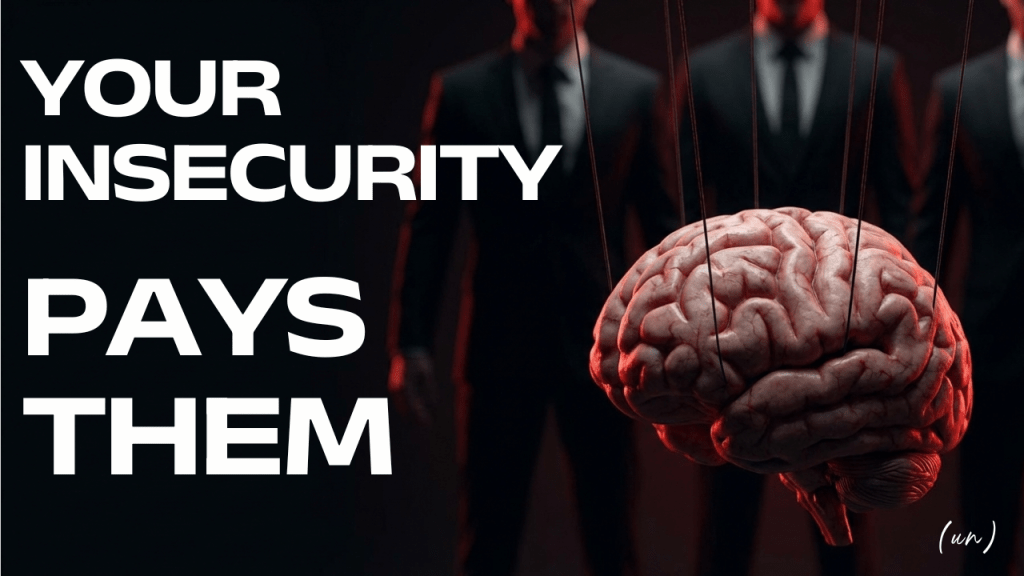
The Self-Help Industry Needs You Insecure
If you truly felt enough, a large part of the self-help industry would shrink overnight. That’s not an insult.It’s a structural observation. Modern self-improvement does not operate purely on transformation. It operates on insufficiency. Not necessarily in malicious ways. But systematically. The model is simple: Identify a flaw.Amplify the flaw.Offer a solution.Introduce a new flaw.…
-
Functioning Is Not the Same as Being Okay
You wake up.You answer emails.You meet deadlines.You show up. From the outside, everything works. And because everything works, no one asks questions. But functioning is not the same as being okay. The Modern Illusion of “Normal” Modern life has redefined what “fine” looks like. If you’re productive, you’re fine.If you’re responsive, you’re fine.If you’re not…
-

Self-Improvement Is Making You Miserable
There was a time when self-improvement felt like growth. It meant learning something new, building discipline, expanding your capacity. It felt empowering. Today, for many people, it feels like pressure. You wake up already behind — behind on habits, on goals, on the version of yourself you’re supposed to become. Improvement is no longer optional.…
-
Why Small Problems Hijack Your Entire Day (The Neuroscience Behind Emotional Overreaction)
A small delay.A careless comment.A minor inconvenience. And suddenly, your entire day feels off. If you’ve ever wondered why tiny problems seem to drain more energy than serious ones, you’re not weak, dramatic, or overreacting.You’re experiencing a predictable neurological response. This article explores the neuroscience behind why small problems feel so overwhelming — and how…
-

Why Strong Men Think Better
The Connection Between Physical Strength and Mental Clarity Modern culture often treats physical strength and intellectual depth as separate worlds. One is associated with discipline, effort, and endurance. The other with reflection, analysis, and emotional intelligence. But the human nervous system was never designed to divide these dimensions. From an evolutionary and psychological perspective, strength…
-
Why the World Is Becoming More Extreme
The Psychology Behind a Divided Society Most people believe that polarization is mainly about politics, ideology, or leadership. We are told that division exists because people think differently, vote differently, or consume different information. But beneath the surface, something deeper is happening. What we are witnessing is not only a political crisis. It is a…
 Unveil Neuroscience